Restore relationships, reclaim your voice, and move forward with dignity. Book William Now
Home / Navigating Spiritual Trauma
Church hurt is real — and its impact often runs deeper than most conversations acknowledge. Religious trauma is not only a spiritual issue; it is clinically significant, shaping identity, belief systems, and emotional regulation.
This talk explores the intersection of faith and psychology with both honesty and precision. It equips clinicians, pastors, and leaders to recognize spiritual trauma, understand how it forms, and respond in ways that are both psychologically sound and theologically grounded.
The goal is not to pull people away from faith — but to help them heal without having to abandon it.
This talk is designed for organizations and professionals working at the intersection of mental health, leadership, and faith-informed care, including:

Counseling and psychotherapy conferences

Seminary and theological education programs

Pastoral care teams and church leadership

Mental health organizations and clinicians

Faith-based organizations engaging in trauma-informed work

supporting individuals navigating complex belief and identity challenges
Available as: Keynote (60 minutes), CE training (1.5, 3, or 6 hours), Workshop for pastoral teams.
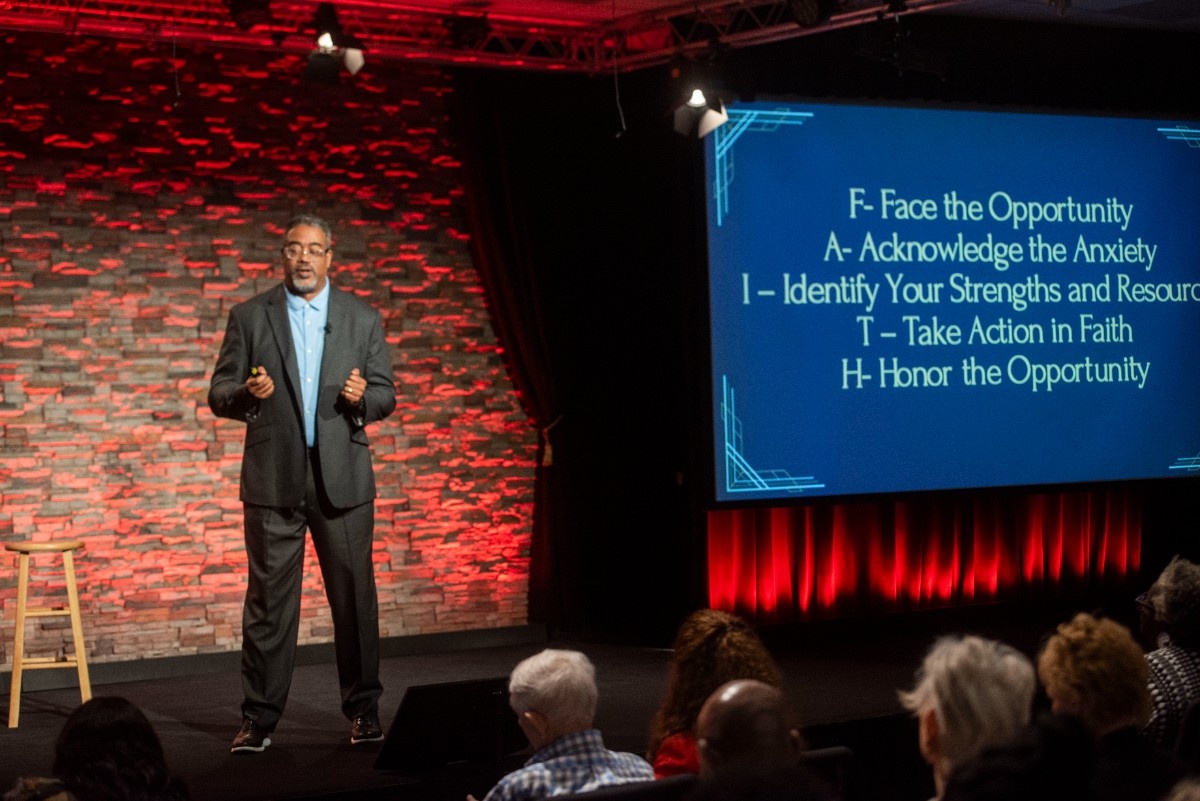
A short preview of how this topic is explored in real time — bringing together clinical insight and faith with clarity, depth, and practical relevance.
This session goes beyond awareness. It equips attendees with the clarity, language, and practical tools needed to navigate complex experiences with confidence and care.

Gain a structured framework to understand how spiritual trauma develops and how it impacts identity, belief, and emotional well-being.

Learn how to approach sensitive conversations with clarity, precision, and greater awareness.

Walk away with grounded, actionable strategies that can be applied in real-world settings to support individuals effectively.
Answers to common questions about this session, its approach, and how it supports both clinical and faith-based audiences.
Not at all. While the content engages faith-based contexts, it is highly relevant for clinicians, mental health professionals, and organizations working with clients whose identity and experiences are shaped by faith.
Both. The talk integrates evidence-based clinical frameworks with thoughtful theological understanding, allowing for a balanced and effective approach to spiritual trauma.
The goal is not criticism, but clarity. This session creates space for honest conversation about harm while also equipping leaders and communities with constructive ways to respond and improve.
Yes. This topic is well-suited for conferences, CE trainings, and professional development settings where deeper understanding of trauma and faith integration is needed.
Participants leave with language to identify spiritual trauma, frameworks to understand its impact, and practical tools to support healing in both clinical and ministry settings.
Bring a structured, thoughtful approach to complex conversations around trauma, identity, and care. Equip your audience with insight they can apply with confidence.