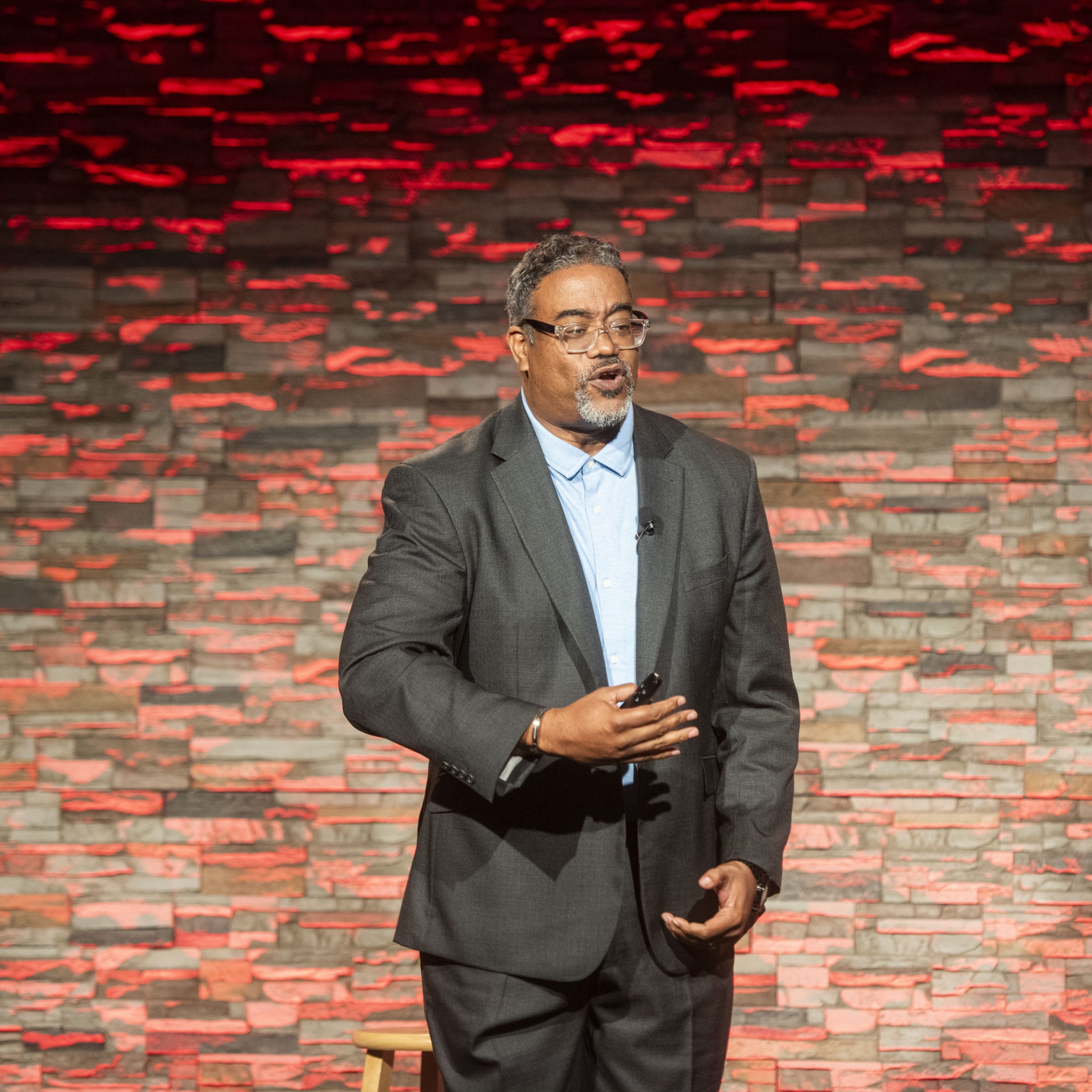
Someone approached me after I spoke at a conference with a question they couldn’t stop thinking about.
They told me about a woman whose pastor had instructed her to stay in an abusive marriage and continue having sex with her husband because that’s what God required.
I answered as best I could in the moment. But I kept thinking about that conversation long after the conference ended. Not because I wasn’t sure what to say, but because there wasn’t enough time to say everything that needed to be said.
If you’ve ever been told that the Bible requires you to remain in danger or surrender your body to someone who is hurting you, I need you to hear me clearly:
That is not Scripture.
It is spiritual abuse dressed up in scriptural clothing.
I’ve spent fourteen years in pastoral ministry, and today I serve as a licensed therapist. Every week I sit with people who are still carrying words spoken from a pulpit five, ten, twenty, or even thirty years ago. The abuse may have ended, but the theology that justified it is still living inside them.
The woman from that conference isn’t my story to tell. But what happened to her is, unfortunately, not unique.
This is what I wish I had more time to say.
The First Wound: The Abuse
The first thing we have to understand is that what happened to this woman—and maybe what happened to you—wasn’t one wound. It was three.
The first wound was the abuse itself. Whether it took the form of physical violence, emotional manipulation, intimidation, control, or contempt, it was abuse. We don’t need to soften it, debate it, or find a better word for it.
Abuse is abuse.
Before we talk about marriage, reconciliation, or forgiveness, we have to acknowledge the reality that someone is being harmed. That’s where every conversation should begin.
The Second Wound: When the Language of Covenant Becomes Coercion
The second wound came from the advice she received. She was told by a spiritual authority to continue having sex with someone who was hurting her.
That isn’t biblical counsel. That’s sexual coercion.
The marriage covenant does not erase consent, and a wedding ring is not a permission slip. When a pastor tells a woman that her body is owed to a man who is harming her, the language of covenant has been turned into a tool of coercion.
There is a word for sex that someone does not freely choose when they are being pressured by an authority figure to remain available to an abusive spouse.
That word is not submission.
That word is not obedience.
That word is rape.
Those are difficult words to read, but sometimes healing begins by calling something what it actually is.
The Third Wound: Spiritual Abuse
The third wound is often the deepest, and it’s usually the one that takes the longest to heal.
The pastor wasn’t simply giving bad advice. For that woman, the pastor represented the voice of God. When the person you trust to speak for God tells you that God requires you to stay, that God requires your body, and that God is on the side of your abuser, something begins to break.
Your image of God begins to break. God starts to look like the abuser’s ally—the one who watches, the one who demands, the one who seems to bless your suffering instead of seeing it.
The woman sitting in the pew slowly begins to believe that her suffering is what God wants.
That is not the God of Scripture.
It’s a distorted image of God that someone created to protect power instead of people.
There’s no faithful reading of Scripture that requires a woman to remain in danger. There’s no faithful reading of Scripture that grants a husband sexual access to a wife he is harming.
The same Bible that tells wives to submit also commands husbands to love their wives as Christ loved the Church and gave Himself up for her. That’s the part we often overlook.
A man who is harming his wife has already broken the covenant the pastor was supposed to be protecting. The pastor’s responsibility was never to send her back into danger. It was to confront the abuse, hold the husband accountable, and help the woman find safety.
Sometimes the most pastoral thing you can do isn’t preserving a marriage.
It’s protecting a life.
If This Is Your Story
If you’re still in an abusive marriage, I want you to hear this clearly.
Your safety matters more than your marriage.
It matters more than your church’s reputation.
It matters more than your pastor’s theology.
If you need someone to talk to, the National Domestic Violence Hotline is available at 1-800-799-7233. They won’t tell you what to do. They’ll help you think through your situation and understand your options. Sometimes making that call is the first step toward safety.
Healing Is Layered
If you’ve left the relationship but still hear the words spoken from the pulpit, you’re healing from more than one wound.
You’re healing from the person who abused you, and you’re healing from the spiritual authority who told you that God wanted you to endure it. Those are different wounds, and they deserve different care.
Find a trauma-informed therapist who understands spiritual abuse. The goal isn’t to talk you back into the theology that wounded you. The goal is to help you recover your own voice and rebuild your relationship with God in a place of safety.
A Word to Pastors
If you’re a pastor reading this, the next time someone sits in your office and tells you they’re being harmed, don’t begin by asking how to save the marriage.
Begin by asking one question:
Are you safe?
If our theology doesn’t allow us to ask that question, then our theology isn’t finished yet. Safety matters more than preserving a marriage at any cost.
The God Who Sees
The God I know is not the God who sent her back.
The God I know is the God who saw Hagar alone in the wilderness—used, discarded, and forgotten—and called her by name. Hagar called Him El Roi, the God who sees.
If someone told you that God didn’t see what was happening in your home, your marriage, or your life, they were wrong.
God saw.
God still sees.
And what was done to you was never God’s will.